Introduction on Making the Perfect Tender Smoked Brisket
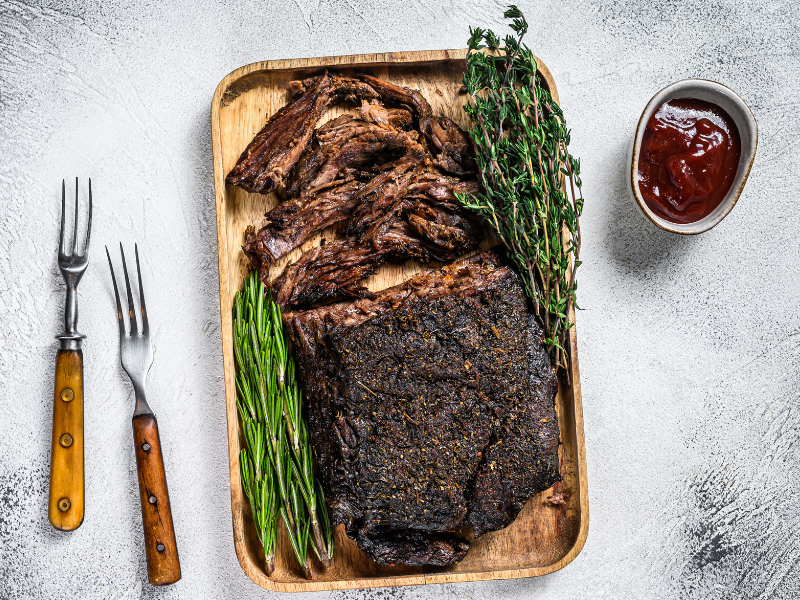
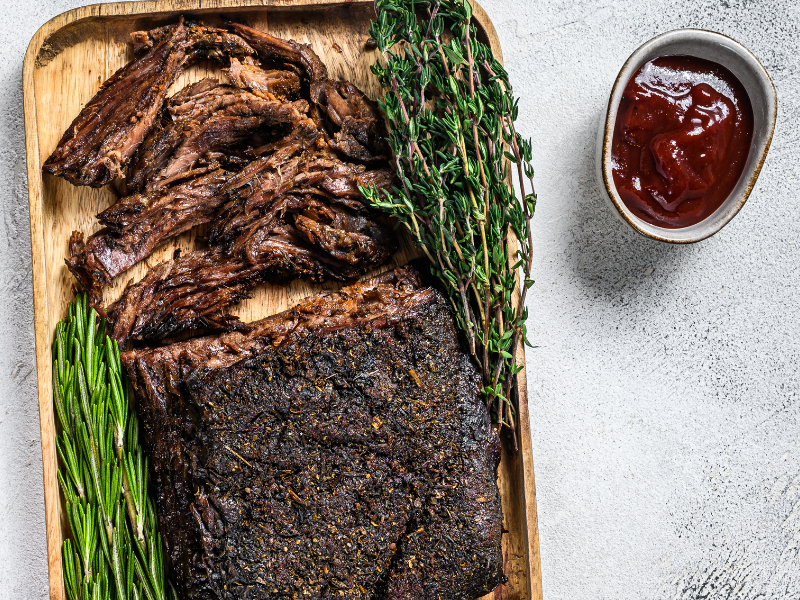
When embarking on the journey to make the most tender smoked beef brisket, there are several key factors to consider for the best results. Achieving a juicy brisket that melts in your mouth involves slow cooking at a low temperature, monitoring the internal temperature with a meat thermometer, and allowing the smoke flavor from the wood chips to penetrate the meat. This easy recipe will guide you through the cooking process, from preparing the whole brisket with a spice rub to the final slice, ensuring your first time results in the best brisket you’ve ever tasted.
Ingredients
- 1 Whole Packer Brisket (12-15 lbs) (the entire brisket includes both the point cut and flat cut)
- ¼ cup Kosher Salt
- ¼ cup Black Pepper (freshly ground)
- 2 tbsp Garlic Powder
- 2 tbsp Brown Sugar
- 1 tbsp Paprika (for color and a mild smoky flavor)
- Optional: 1 tsp Liquid Smoke (if using an electric smoker or gas grill without natural smoke)
Making the Brisket Rub: In a small bowl, mix the salt, black pepper, garlic powder, brown sugar, and paprika to create your brisket rub. If you’re aiming for a deeper smoke flavor and don’t have access to a traditional smoker, a dash of liquid smoke can add that coveted taste.
Tools & Equipment
- Pellet Grill or Electric Smoker: The heart of the smoking process, where your brisket will slowly transform into a tender delicacy.
- Meat Thermometer: Essential for monitoring the brisket’s internal temperature to ensure perfect doneness.
- Aluminum Foil or Peach Butcher Paper: Used to wrap the brisket to retain moisture and break down tough muscle fibers.
- Large Cutting Board: Provides ample space for preparing and slicing your brisket.
- Sharp Knife: A must-have for trimming the fat cap and slicing the cooked brisket against the grain.
- Spray Bottle: Filled with a mix of apple cider vinegar and apple juice for keeping the brisket moist during the cook.
- Roasting Pan: To catch drippings and maintain a clean cooking environment, especially in an indoor setting.
Instructions
Prepare the Brisket
- Trim the Fat: Using a sharp knife, trim the fat cap down to a thick layer of fat, about ¼ inch thick, to promote even cooking and smoke penetration. Remove any silver skin or hard fat that won’t render out during the cooking process.
- Apply the Rub: Coat the entire brisket with a thin layer of olive oil. Then, liberally apply the brisket rub, ensuring all sides of the brisket are covered. For the best flavor infusion, wrap the seasoned brisket in plastic wrap and let it sit in the fridge overnight or at room temperature for at least an hour before smoking.
Smoking the Brisket
- Preheat the Smoker: Set your pellet grill or electric smoker to 225 degrees Fahrenheit and add your chosen wood chips or wood chunks. Place a water pan in the smoker to help maintain moisture during the long cook.
- Smoke the Brisket: Place the brisket fat side up on the grill grates to protect the meat from the heat source. This positioning helps render the fat layer and baste the meat throughout the cooking time.
- Spritz the Brisket: Every hour, lightly spritz the brisket with a mixture of apple cider vinegar and apple juice to prevent the surface from drying out.
- Wrap the Brisket: Once the internal temperature reaches around 165 degrees Fahrenheit and the bark has formed, wrap the brisket in aluminum foil or peach butcher paper with a splash of beef broth for moisture. This wrapped brisket will cook more evenly and retain its juices.
- Finish Cooking: Continue cooking until the internal temperature reaches 202 degrees Fahrenheit, the general rule of thumb for tender brisket. The meat should feel like warm butter when probed.
Resting and Serving the Tender Smoked Brisket
- Rest the Brisket: Remove the brisket from the smoker and let it rest for at least an hour before slicing. This allows the juices to redistribute throughout the meat.
- Slice Against the Grain: Identify the different directions of the muscle fibers in the point and flat cuts and slice the brisket against the grain for maximum tenderness.
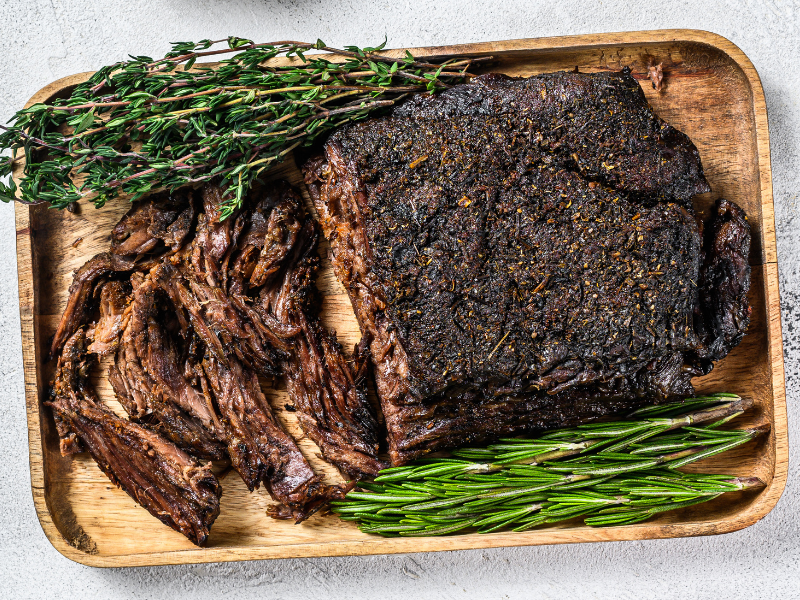
Serving Size, Prep, and Cook Time
- Serves: 10-12 people
- Prep Time: 1 hour (plus optional overnight seasoning)
- Cook Time: 12-16 hours, depending on the size of the brisket and the consistency of your smoker’s temperature.
Additional Tips for Making the Tender Smoked Brisket
Achieving the perfect tender smoked brisket requires more than just following a recipe; it’s about mastering a few key techniques and understanding the nuances of brisket cooking. Here are some additional tips to help you elevate your brisket game:
Understand Your Meat
- Choose the Right Cut: Opt for a full packer brisket, which includes both the point and flat cuts. This large cut of beef has a thick layer of fat and connective tissue, which, when cooked properly, contribute to the brisket’s moisture and flavor.
- Quality Matters: Purchase the best quality brisket you can find. Look for a brisket with good marbling (fat running through the meat), as this fat will render during the cooking process, adding flavor and tenderness.
Prep Like a Pro
- Trimming is Key: Don’t skip the trimming step. Leaving too much fat cap can prevent the smoke flavor and rub from penetrating the meat, while removing too much can result in a dry brisket. Aim for an even thick layer of fat, about ¼ inch.
- Season Generously: Don’t be shy with your brisket rub. A generous coating will ensure a flavorful bark. Remember, a lot of the rub will fall off or dissolve during the cooking process, so it’s better to start with a bit more.
Master the Cooking Process
- Temperature Control: Maintaining a consistent low temperature is crucial for a tender result. Fluctuations in temperature can lead to a tougher brisket.
- Smoke Wisely: The type of wood chips or wood chunks you choose will impact the flavor of your brisket. Woods like oak, hickory, and mesquite are traditional, but fruitwoods like apple or cherry can add a subtle sweetness.
- The Stall: Be prepared for the “stall,” a period where the brisket’s internal temperature plateaus due to evaporative cooling. Resist the urge to increase the heat source; this is a natural part of the cooking process. Wrapping the brisket in aluminum foil or peach butcher paper can help push through the stall.
- Resting is Crucial: Allowing the brisket to rest after cooking is not optional. This step lets the juices redistribute, making your brisket more tender and juicy.
Serving Suggestions
- Slice it Right: The brisket is made up of muscle fibers running in different directions. Pay attention to the grain when slicing, especially where the point cut and flat cut meet, to ensure each slice is as tender as possible.
- Save the Leftovers: Leftover brisket can be just as delicious the next day. Store it in an airtight container or wrap it tightly in aluminum foil and refrigerate. Reheat gently to preserve moisture. Use leftover brisket in creative ways, such as in brisket tacos, chili, or even on top of a pizza. The possibilities are endless.
Complementary Dishes for Tender Smoked Brisket
Here are some classic and unique side dishes that pair well with the deep, smoky flavors of brisket, ensuring a well-rounded and satisfying dining experience.
Classic BBQ Sides
- Coleslaw: A crisp, refreshing slaw can cut through the richness of the brisket. Whether you prefer a creamy dressing or a vinegar-based one, coleslaw adds a necessary crunch and acidity to the meal.
- Potato Salad: This hearty side dish is a staple at any barbecue. Opt for a traditional creamy potato salad or a tangy German-style one to complement the smokiness of the brisket.
- Baked Beans: Smoky, sweet, and a bit tangy, baked beans are a natural pairing with brisket. Their saucy consistency and comforting flavor make them a crowd-pleaser.
- Cornbread: Soft, buttery cornbread offers a sweet contrast to the savory brisket. Serve it warm with a dollop of honey butter.
Vegetable Sides
- Grilled Vegetables: Grilled asparagus, zucchini, bell peppers, and corn on the cob not only add a colorful side to your plate but also enhance the smoky flavor of the meal.
- Green Bean Almondine: For a lighter side, green beans tossed with almonds and a squeeze of lemon juice offer a crisp, nutty complement to the rich beef.
- Roasted Brussels Sprouts: Roasted until crispy and tossed with a balsamic glaze, Brussels sprouts can add a flavorful and nutritious side to your brisket meal.
Starchy Sides
- Macaroni and Cheese: Creamy, cheesy macaroni and cheese is a comfort food classic.
- Corn on the Cob: Sweet corn, especially when grilled and brushed with butter, is a simple yet satisfying side.
- Garlic Mashed Potatoes: Smooth, creamy mashed potatoes with roasted garlic make for a comforting side that’s perfect for sopping up brisket juices.
Unique Pairings
- Fried Green Tomatoes: For a Southern twist, serve crispy fried green tomatoes as an appetizer or side.
- Watermelon Salad: A refreshing salad made with watermelon, feta cheese, mint, and a balsamic provides a light, fresh side.
- Jalapeño Corn Pudding: Add a little spice to your meal with a creamy, spicy jalapeño corn pudding.
Most Tender Smoked Beef Brisket
- Total Time: 13 hours
- Yield: 10-12
Ingredients
1 Whole Packer Brisket (12-15 lbs) (the entire brisket includes both the point cut and flat cut)
1/4 cup Kosher Salt
1/4 cup Black Pepper (freshly ground)
2 tbsp Garlic Powder
2 tbsp Brown Sugar
1 tbsp Paprika (for color and a mild smoky flavor)
Optional: 1 tsp Liquid Smoke (if using an electric smoker or gas grill without natural smoke)
Instructions
Prepare the Brisket
- Trim the Fat: Using a sharp knife, trim the fat cap down to a thick layer of fat, about ¼ inch thick, to promote even cooking and smoke penetration. Remove any silver skin or hard fat that won’t render out during the cooking process.
- Apply the Rub: Coat the entire brisket with a thin layer of olive oil. Then, liberally apply the brisket rub, ensuring all sides of the brisket are covered. For the best flavor infusion, wrap the seasoned brisket in plastic wrap and let it sit in the fridge overnight or at room temperature for at least an hour before smoking.
Smoking the Brisket
- Preheat the Smoker: Set your pellet grill or electric smoker to 225 degrees Fahrenheit and add your chosen wood chips or wood chunks. Place a water pan in the smoker to help maintain moisture during the long cook.
- Smoke the Brisket: Place the brisket fat side up on the grill grates to protect the meat from the heat source. This positioning helps render the fat layer and baste the meat throughout the cooking time.
- Spritz the Brisket: Every hour, lightly spritz the brisket with a mixture of apple cider vinegar and apple juice to prevent the surface from drying out.
- Wrap the Brisket: Once the internal temperature reaches around 165 degrees Fahrenheit and the bark has formed, wrap the brisket in aluminum foil or peach butcher paper with a splash of beef broth for moisture. This wrapped brisket will cook more evenly and retain its juices.
- Finish Cooking: Continue cooking until the internal temperature reaches 202 degrees Fahrenheit, the general rule of thumb for tender brisket. The meat should feel like warm butter when probed.
Resting and Serving the Tender Smoked Brisket
- Rest the Brisket: Remove the brisket from the smoker and let it rest for at least an hour before slicing. This allows the juices to redistribute throughout the meat.
- Slice Against the Grain: Identify the different directions of the muscle fibers in the point and flat cuts and slice the brisket against the grain for maximum tenderness.
- Prep Time: 60 minutes
- Cook Time: 720 minutes
- Category: Main Dish
- Method: Smoke
Commonly Asked Questions About Tender Smoked Brisket
What is the ideal internal temperature for a tender brisket?
The ideal internal temperature for a tender brisket is generally between 195°F to 205°F (90°C to 96°C). At this range, the connective tissue within the brisket has broken down sufficiently to make the meat tender.
Should I smoke the brisket fat side up or down?
There’s a lot of debate around this, but the general rule of thumb is to smoke the brisket with the fat side up. This allows the fat to render and baste the meat during the cooking process. However, some argue for fat side down to protect the meat from the heat source. It can depend on your smoker and personal preference.
How long should I smoke my brisket?
The cooking time for brisket can vary greatly depending on the size of the cut and the temperature of your smoker. As a good rule of thumb, expect to smoke your brisket for about 1 to 1.5 hours per pound at 225°F to 250°F (107°C to 121°C). Always use a meat thermometer to ensure it reaches the correct internal temperature.
Can I smoke a brisket on a gas grill?
Yes, you can smoke a brisket on a gas grill, but it requires some adjustments to mimic the environment of a traditional smoker. You’ll need to use a smoker box for your wood chips to produce smoke flavor and maintain a consistent low temperature. Keep the brisket away from direct heat to simulate the indirect heat of a smoker.
What’s the best wood to use for smoking brisket?
The best wood for smoking brisket often comes down to personal taste, but oak, hickory, and mesquite are popular for their strong flavors that complement the rich taste of beef. For a milder taste, fruitwoods like apple or cherry can add a subtle sweetness to the smoke flavor.
How do I keep my brisket moist during the long smoking process?
To keep your brisket moist, consider spraying it with a mixture of apple cider vinegar and apple juice using a spray bottle. This not only adds moisture but also helps develop a flavorful bark. Placing a water pan in the smoker can also help maintain humidity during the cooking process.
What do I do if the outside of my brisket is cooking too fast?
If the outside of your brisket is cooking too fast, you can wrap it in aluminum foil or peach butcher paper. This is known as the “Texas Crutch,” and it helps to regulate the temperature, retain moisture, and prevent the outside from burning while the inside continues to cook.
Can I use liquid smoke if I don’t have a smoker?
While liquid smoke can impart a smoky flavor to the brisket, it won’t replicate the complex flavors and textures achieved through traditional smoking methods. It’s an option for those without access to a smoker, but for the best results, using a smoker or adapting your grill is recommended.
How do I store leftover brisket?
Store leftover brisket by wrapping it tightly in plastic wrap, aluminum foil, or placing it in an airtight container. Refrigerate for up to 4 days. For longer storage, you can freeze brisket for up to 3 months. Reheat gently to retain moisture.
Is it necessary to let the brisket rest, and if so, for how long?
Yes, it’s crucial to let the brisket rest after smoking to allow the juices to redistribute throughout the meat, making it more tender and flavorful. Let it rest for at least 30 minutes to 1 hour before slicing. For wrapped brisket, you can let it rest in the wrap to retain more moisture.