
Angus Beef vs. Wagyu
When selecting the perfect cut of beef, the choices can often feel overwhelming. Two standout options that often catch the eye of steak lovers are Angus and Wagyu beef. Both sought after for their exceptional quality, these beef types are defined by unique characteristics and flavor profiles that cater to various personal preferences and occasions. Let’s delve into the differences between Angus beef vs Wagyu, exploring why they hold such prestigious places in the world of red meats.

Origins and Breeds
Angus Beef originates from the Angus cattle (specifically Aberdeen Angus). This breed is known for its ability to thrive in the adverse climatic conditions of Scotland, where it originates. Angus cattle, particularly the Black Angus, is the most popular breed in the United States. American Angus beef, especially the certified Angus beef, is celebrated for its rich flavor and good marbling, beating out most other red meat offerings in a grocery store.
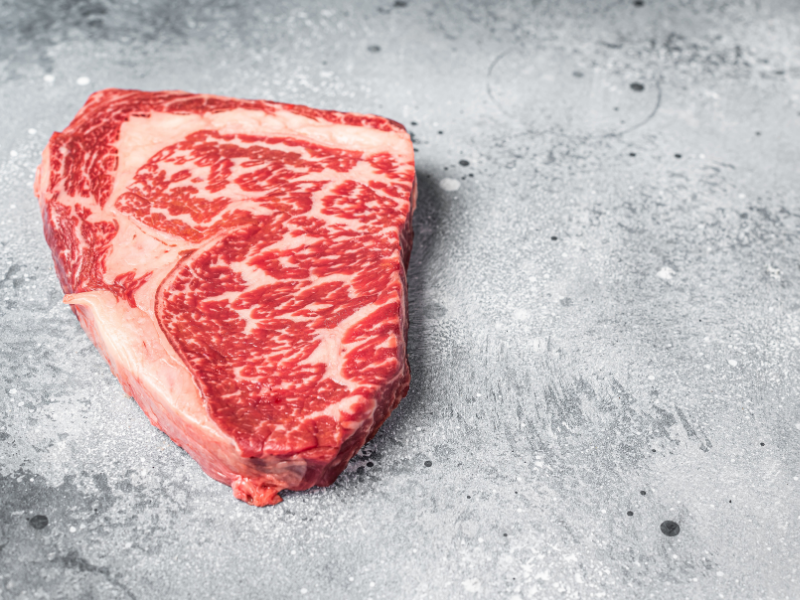
On the other hand, Wagyu Beef, hailing from Japan, refers to meat from several specific breeds of cattle, including the Japanese Black, Japanese Brown, and others. This type of beef is distinguished by its intense fat marbling, which is rated on the Japanese Beef Marbling Standard. Japanese Wagyu beef (including the famous Kobe beef) is known for its exceptional marbling and buttery texture, making it a luxury item in the culinary world.
Marbling and Flavor
One of the biggest differences between Angus and Wagyu beef lies in their fat marbling. Wagyu beef is renowned for its high level of marbling. The intramuscular fat in Wagyu provides a richer, more intense flavor and a melt-in-your-mouth texture that is highly prized. This intense marbling is a result of both genetics and the meticulous care given to these cattle.
Angus beef also features marbling, though it is generally less intense than that of Wagyu. However, the marbling in Angus beef provides a robust flavor and tender texture that many beef lovers appreciate. This type of beef strikes a balance between flavor and texture. It is a popular choice for everyday meals and special occasions alike.
Genetic and Dietary Influences
The unique characteristics of Wagyu beef are not only a product of its breed but also the result of a meticulous diet. This diet includes grain feed, contributing to its higher fat content and richer marbling. The fatty acids such as linoleic acid found in Wagyu beef contribute to its distinctive, buttery flavor that melts at room temperature, offering an unrivaled tender texture.
Angus cows, widely used in both grass-fed beef and grain-fed systems, offer a more versatile flavor profile that can range from intensely beefy to mildly savory, depending on the diet and processing methods. The muscle tissue of Angus is less marbled compared to Wagyu but provides a more consistent flavor and texture. This makes it a popular choice for various cuts of meat like ground beef and prime beef cuts.

Price and Accessibility
Wagyu beef generally commands high prices due to its superior quality, limited supply, and the labor-intensive methods involved in raising the cattle. It is considered more of a luxury meat, often reserved for special occasions or high-end dining experiences.
Angus beef is more readily available and affordable, making it a staple in grocery stores and kitchens across the United States. The price differences between Angus and Wagyu beef make Angus a more feasible option for regular family dinners, while Wagyu remains a treat for many.
Culinary Applications and Consumer Demand
For home cooks and professional chefs alike, the choice between Wagyu and Angus often comes down to the specific culinary application and desired outcome. Wagyu is best suited for high-end culinary experiences where its unique flavor and tender meat can be savored with minimal seasoning, often served in thinner cuts like in Japanese meat dishes. Angus, being more accessible and affordable, is favored for everyday meals, offering a delicious steak experience whether it’s a filet mignon or a ribeye, typically requiring just a bit of high heat to achieve a perfect sear.
The market demand for both types of beef reflects their culinary applications. Wagyu beef, often marketed as a luxury item, sees demand in upscale restaurants and among gourmet food lovers who are willing to pay a premium. Angus beef, given its availability and consistent quality, has a broader market base, frequently appearing in grocery stores and on family dinner tables.
Cooking Techniques
The cooking techniques for Angus and Wagyu beef also differ due to their fat content and marbling. Wagyu beef, with its higher fat content, is best cooked over low to medium heat. This process allows the fat to render properly without burning. This approach ensures that the meat remains tender and flavorful. Minimal seasoning is recommended to let the natural flavors shine through.
Angus beef, being slightly leaner, is versatile and can be cooked using high heat methods such as grilling and broiling. It is perfect for cuts like ribeye steaks and filet mignon, which benefit from a quick sear to lock in the flavors and juices.
Cuts of Meat, Popular Dishes, and Cooking Tips for Angus and Wagyu Beef
When exploring the culinary world of Angus and Wagyu beef, understanding the best cuts of meat, popular dishes that utilize these luxurious meats, and handy cooking tips can greatly enhance your cooking and dining experience. Both Angus and Wagyu offer a variety of cuts, each suited to different dishes and cooking methods. Here’s a deeper look into these aspects for both types of beef.
Prime Cuts of Angus and Wagyu Beef
Angus Beef Cuts
- Ribeye Steaks: Known for their rich marbling and beefy flavor, these steaks are a favorite for grilling.
- Filet Mignon: Cut from the tenderloin, this is one of the most tender cuts, ideal for special occasions.
- Sirloin: Less fatty than other cuts, sirloin is versatile and ideal for a variety of dishes, from steak dinners to stir-fries.
Wagyu Beef Cuts
- Ribeye: Offers a more intense marbling than Angus ribeye, providing a richer flavor and a buttery texture.
- Strip Steak: Known for its fine marbling and robust flavor, it’s excellent for grilling or pan-searing.
- Brisket: With its high fat content, Wagyu brisket is perfect for slow cooking, yielding a tender and flavorful dish.
Popular Dishes Using Angus and Wagyu Beef
Dishes Featuring Angus Beef
- Beef Bourguignon: Utilizing chunks of Angus chuck, this French stew combines robust flavors with the tender meat of Angus.
- Grilled Ribeye Steak: A classic American dish that showcases the rich flavor and tender texture of Angus ribeye steaks.
- Sirloin Tip Roast: Perfect for a hearty family dinner, this roast benefits from the consistent marbling and beefy flavor of Angus sirloin.
Dishes Featuring Wagyu Beef
- Wagyu Sushi: Thin slices of raw Wagyu, particularly from the sirloin, are used in sushi, providing a melt-in-your-mouth experience.
- Wagyu Beef Tataki: This lightly seared dish highlights the unique flavor and tenderness of Wagyu, typically using cuts like strip steak.
- Wagyu Brisket: Slow-cooked or smoked, this dish allows the marbling to melt into the meat, creating an exceptionally tender and flavorful brisket.
Additional Cooking Tips for Angus and Wagyu Beef
For Angus Beef
- High Heat Cooking: Angus steaks like ribeye and sirloin are best cooked over high heat for a short time. Searing the steaks on a hot grill or pan helps to develop a flavorful crust while keeping the inside juicy and tender.
- Resting: Always let your Angus beef rest after cooking. This allows the juices to redistribute throughout the meat, ensuring a moist and flavorful steak.
For Wagyu Beef
- Low to Medium Heat: Due to the high fat content, Wagyu beef should be cooked on low to medium heat to avoid burning the fat. Cooking slowly allows the fat to render properly and the meat to cook evenly.
- Minimal Seasoning: Wagyu’s natural flavor is exceptionally rich, so it’s best to use minimal seasoning. A bit of salt is often enough to enhance its natural flavors without overpowering them.
The Verdict on Value and Preference
Ultimately, the choice between Angus and Wagyu may hinge on personal preference, occasion, and budget considerations. Angus offers exceptional value, providing high-quality meat with a rich, satisfying taste at a more moderate price point. Wagyu, distinguished by its superior marbling and luxurious texture, is reserved for those special occasions or for those seeking the ultimate indulgence in steak quality.
Both Angus and Wagyu beef represent the pinnacle of cattle breeds’ ability to offer distinct and desirable beef types, each with its own set of fans and culinary uses. Whether you are planning a simple family grill or an exquisite dining experience, understanding these differences can enhance your selection process, ensuring that your taste buds and dietary preferences are perfectly matched with the type of beef you choose.
Commonly Asked Questions About Angus and Wagyu Beef
What is the main difference between Angus and Wagyu beef?
The primary difference lies in the marbling and fat content. Wagyu beef is known for its exceptionally high level of marbling, which gives it a richer, buttery flavor and tender texture. Angus beef, while also well-marbled, tends to have a more robust, beefy flavor and is slightly leaner than Wagyu.
Why is Wagyu beef so expensive?
Wagyu beef commands a high price due to its rareness, the meticulous care and feeding protocols required, and its superior quality. The breeding methods, special diet, and strict quality standards set by the Japanese government contribute to the luxury status and higher cost of Wagyu beef.
Can I cook Wagyu beef the same way I cook Angus beef?
While both can be grilled or pan-seared, Wagyu beef should be cooked on a lower heat to allow the fat to render properly without burning. Angus beef can handle higher heat, making it ideal for traditional grilling and searing.
What are the best cooking methods for Wagyu and Angus beef?
For Wagyu, slow cooking methods or quick sears on low to medium heat are ideal. For Angus, high-heat grilling or broiling works well to achieve a flavorful crust while keeping the meat juicy.
Is there a taste difference between Black Angus and regular Angus beef?
Black Angus beef is often considered to be of higher quality than regular Angus. This is due to its genetic predisposition for marbling and meat quality. It typically has a richer flavor and more tender texture, making it a preferred choice.
How should I season Wagyu and Angus beef?
Wagyu beef requires minimal seasoning to highlight its natural flavors—often just a sprinkle of salt. Angus beef can be seasoned more liberally depending on personal preference. Traditional salt and pepper are usually sufficient to enhance its natural beefy flavor.
What are some signature dishes using Wagyu and Angus beef?
Signature Wagyu dishes include Wagyu sushi, Wagyu beef tataki, and Wagyu steaks. For Angus, popular dishes are grilled ribeye steaks, beef bourguignon, and barbecued brisket.
How can I tell if I’m buying real Wagyu beef?
Genuine Wagyu beef will have certification from the Japanese government or credible bodies if raised outside Japan, like in the U.S. or Australia. Look for labels like “Japanese Wagyu” and specific grading information that confirms its authenticity.
Where can I buy Wagyu or Angus beef?
Angus beef is widely available in most grocery stores, supermarkets, and butchers in the U.S. Wagyu beef is more specialized but can be found at high-end butchers, specialty stores, and through online retailers that specialize in premium meats.
What exactly is American Wagyu beef?
American Wagyu beef is a crossbreed between Japanese Wagyu cattle and other breeds, typically Angus. This type of meat combines the high marbling characteristics of Japanese Wagyu with the robust flavor of American cattle breeds. This makes it a high-quality beef product at a slightly more accessible price point.
What is the first thing to look for when buying high-quality Wagyu or Angus beef?
The first thing to look for is the certification and grading of the beef. For Wagyu, particularly, ensure it has a high grade on the Japanese Beef Marbling Score (BMS). This score reflects the level of marbling. For Angus, certifications like “Certified Angus Beef” (CAB) indicate a higher quality and specific breed standards.
How does the term ‘Wagyu’ define the type of meat?
The term “Wagyu” literally means “Japanese cow”. It refers specifically to beef from several breeds of cattle native to Japan, known for their capability to produce intricately marbled meat. This term denotes a higher grade and quality compared to other beef due to these unique breeding characteristics.
Is there a significant difference between full-blood Wagyu bulls and Wagyu cows?
Yes, there is a significant difference. Full-blood Wagyu bulls are directly descended from Japanese cattle with no crossbreeding, ensuring that the meat retains the pure, distinctive qualities of Wagyu beef. Wagyu cows can also be full-blood, but the term generally refers to any female cattle used for breeding and may include crossbreeds depending on the farm’s practices.
Why do a lot of people consider Wagyu to be better beef than Angus?
Many people consider Wagyu to be better beef due to its higher fat marbling. This marbling provides a richer, more succulent flavor and a melt-in-your-mouth texture. Angus is highly regarded as well but is often appreciated for its more traditional beefy flavor and slightly leaner profile.
What makes Japanese Wagyu different from American Wagyu beef?
The biggest difference lies in the breeding and feeding practices. Japanese Wagyu cattle are often raised with stricter standards and feeding regimes. American Wagyu cattle, while still high quality, are usually crossbred and may not always reach the extreme levels of marbling typical of Japanese Wagyu.
Is Wagyu considered a luxury meat, and why?
Yes, Wagyu is considered one of the luxury meats. This is due to its rarity, the intricate care involved in raising the cattle, and its outstanding quality. Its production costs, coupled with the exceptional dining experience it offers, place it at the higher end of the market.
Can Angus beef achieve the same quality levels as Wagyu?
While Angus beef can be of very high quality, especially if it’s certified, it typically does not achieve the same level of marbling as Wagyu. However, Angus offers a preferable taste profile and is often considered the highest quality within more traditional beef types.
What are the characteristics of the specific breeds of cattle used for Wagyu beef?
Japanese Wagyu cattle, including breeds like the Japanese Black (Kuroge Washu), Japanese Brown (Akage Washu), and others, are known for their genetic predisposition to develop intense marbling. These breeds are highly regulated in Japan, ensuring that the beef meets the highest standards of quality.